
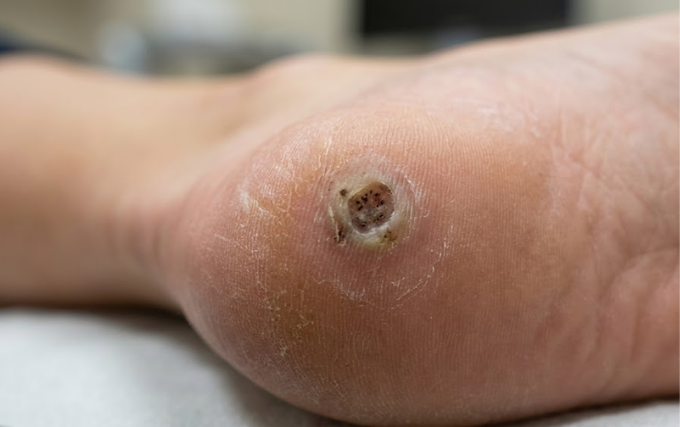
The human papillomavirus (HPV) is the common cause of a verruca, a skin infection on the foot. A lot of people will have one at some point. Patients frequently detect a slight skin depression when a verruca eventually begins to heal, whether on its own or with treatment. The fading verruca hole is located here. Although its appearance may be unexpected, it is an essential and normal part of the healing process.
The Nature of a Verruca and Its Origin
When the HPV virus infects the skin’s outer layer, a verruca, also known as a plantar wart, appears. Swimming pools and changing rooms are popular places to be exposed to this virus because it thrives in warm, humid surroundings. A rough, granular lump appears on the foot’s sole as a result of the infection’s rapid growth of skin cells.
These growths may show up as clusters or as a single lesion. They frequently hurt, especially when they appear on the foot’s weight-bearing regions and feel like a tiny stone in your shoe. The irritation may increase if hard skin grows over the top. Despite being innocuous, they can spread by direct skin-to-skin contact or by coming into contact with contaminated items like shoes and towels.
What Exactly is a Dying Verruca Hole?
Eventually, the immune system of the body detects the virus and starts to combat it. Months or even years may pass throughout this procedure. The diseased tissue can also be destroyed by treatments like cryotherapy (freezing) or salicylic acid. A gap remains in the layers of skin as the virus is eliminated and the aberrant cells are eliminated.
It looks like a tiny, distinct hole where the diseased tissue formerly was. The body makes this room so that the foot’s natural surface may be restored and new, healthy skin can form. This hole is an obvious and encouraging indication that the mending process is taking place. It demonstrates that the virus is being effectively eliminated by the body and replaced by healthy cells.
Recognising the Stages of Healing
There is a regular pattern to the resolving process. Knowing these phases enables you to assess the effectiveness of your treatment and what to anticipate.
The Appearance of Black Dots
The emergence of small black dots on the verruca’s surface is one of the first obvious symptoms. These are neither roots nor seeds. These are dried, clogged blood veins that used to supply the wart. These dots indicate that the verruca’s blood supply is being cut off by the treatment or the immune system, which is causing the tissue to start dying.
The Verruca Begins to Change
The verruca itself will then begin to change in both look and texture. It could become dry, flaky, deeper in color, or begin to crumble. The firm skin on top may start to loosen. The size of the lesion will frequently decrease. Due to the treatment’s impact on deeper tissue layers, some patients now have a brief increase in pain or sensitivity.
The Hole Becomes Visible
When the dead tissue slips off or peels away, leaving a little crater in the skin, the dying verruca hole appears. This is the clearest indication that the diseased tissue has been completely eradicated. As part of the usual healing reaction, the skin around the hole may seem pink or somewhat irritated. The crater offers a pristine surface for the formation of new skin.
The Final Restoration of Skin
The regeneration of healthy skin is the last phase. The hole is filled from the bottom up by this new skin. As the skin gets stronger, the pink or reddish hue disappears. The reappearance of the dermatoglyphics, or natural skin lines on the sole of the foot, is the most significant indication that the verruca has fully healed. You may be certain the infection is gone after these lines are completely restored throughout the area and walking is painless.
Common Causes and Symptoms of a Dying Verruca Hole
A fading verruca is indicated by the hole itself. There are multiple procedures that cause it to arise.
Natural Immune Response
The HPV virus is combated by the body’s immune system. Although the procedure might be long, sometimes taking years, it frequently succeeds. As the immune system effectively eliminates the contaminated skin cells, the hole forms.
The Effect of Topical Treatments
Over-the-counter medications, such those that include salicylic acid, function by dissolving the skin cells that are diseased. When the verruca is effectively destroyed by the treatment, the dead tissue lifts away, creating a hole.
Professional Interventions
Cryotherapy is one procedure that freezes the verruca, resulting in the formation of a blister. After seven to ten days, this blister develops into a scab that may leave a hole when it falls off. In order to cause the body to reject the contaminated tissue and leave a hole, other treatments, like needling, try to stimulate the immune system.
The Recovery Stages Explained in Detail
The healing process occurs in phases, even when the symptoms are obvious.
The Inflammatory Phase
The region gets inflamed either during the body’s immunological reaction or following therapy. This response is healthy. To combat the infection and begin healing, the body sends blood and immune cells to the affected area. You can see redness or experience some minor discomfort.
The Shrinking and Shedding Phase
As the infected cells die, the verruca starts to diminish. It could become flaky or rough and darker. The good skin underneath will gradually separate from this dead tissue. At this point, the hole is clearly visible. The young skin underlying may be harmed if the dead skin is picked or forced off. To avoid a buildup of hard skin, gentle filing with a disposable emery board is occasionally advised, but caution is urged.
The Regeneration Phase
This is the last and most crucial phase. The body tries to create new skin cells to cover the gap. At the base of the hole, healthy pink skin will initially show up. This will eventually level out and the foot’s natural lines will return. The skin will get less sensitive and stronger until it feels fully normal. Depending on the size of the initial verruca and the treatment employed, the entire procedure may take a few weeks to several months.
When to Seek Professional Advice
Even while the appearance of a hole is usually positive, there are some circumstances in which you should consult a doctor. If the verruca bleeds or changes noticeably in appearance, consult a podiatrist or general practitioner. Stop using any at-home remedies and see a professional if the area starts to hurt strangely or if the surrounding skin gets red, inflamed, or exhibits symptoms of infection. Before beginning any self-treatment, people with diabetes or weakened immune systems should always consult their physician or podiatrist because these factors might impede healing.
Conclusion
It can be both curious and relieving to see a dying verruca hole form. It is tangible proof that your body is triumphing over the HPV virus. From the initial emergence of black dots to the ultimate restoration of healthy skin lines, the process is an encouraging indication of healing.
You can better control your expectations if you comprehend this trip. It reassures you that the hole is an essential component of the body’s normal healing process, despite the fact that it may be strange to witness. Don’t pick at the area, be patient, and practice appropriate foot hygiene. By doing this, you thoroughly restore the health of your foot and offer your skin the best chance to heal.
