
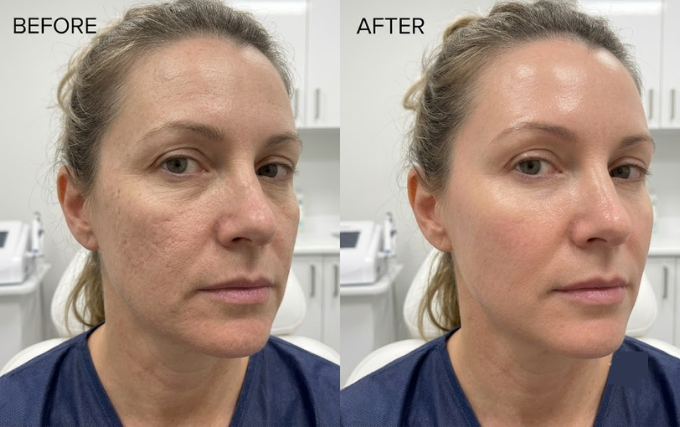
Microneedling has gained popularity as a skin-rejuvenation procedure. Everything you need to know is explained in this tutorial. The procedure, outcomes, and appropriate aftercare will all be covered.
Understanding the Treatment
Using tiny, sterilized needles, microneedling produces carefully regulated microchannels in the skin. Another name for this procedure is collagen induction treatment. These little wounds are detected by the body. After that, its natural healing process begins.
The key to the treatment is this healing reaction. The body creates new elastin and collagen. The skin is strengthened and given structure by collagen. The skin’s capacity to stretch and recover is attributed to elastin. Higher concentrations of these proteins give the skin a smoother, firmer, and younger appearance.
What to Expect Before Treatment
One crucial step is preparation. Your skin will first be evaluated by a specialist. They will talk about your therapy objectives.
Certain skincare products might need to be put on hold. Retinoids and potent exfoliants fall within this category. There should be no active inflammation and your skin should be relaxed. Before your session, stay out of the sun as much as possible. Individuals with darker skin tones may require extra preparation. This reduces the possibility of alterations in pigmentation.
The Treatment Procedure
The average duration of a session is thirty to sixty minutes. Your skin is first treated with a numbing cream. This makes the process more comfortable for you.
Next, the practitioner use a tool with tiny needles. This apparatus is moved across the treatment area. There can be a minor prickling or pressing sensation. Usually, this feeling is bearable and transient.
Microneedling Before and After Results
The change from the before to the after happens gradually. Don’t expect a miracle to happen overnight. Over time, actual outcomes become apparent.
Immediate Post-Treatment Appearance
After the session, your skin will appear red. This is similar to a little sunburn. Additionally, you might feel a little tightness, warmth, or edema. This is a typical indication that the renewal procedure has started. Usually, these symptoms go away in 24 to 72 hours.
The First Week of Healing
There will be a healing phase for your skin. Over the first few days, the redness progressively goes away. Some dryness, tightness, or minor flaking may be apparent. This is the loss of dead skin to make way for new cells. During this time, refrain from picking or scratching the skin. Your skin will feel more delicate than normal.
Long-Term Results
The actual effects of microneedling take many weeks to manifest. Long after the procedure, collagen is still being produced. Improvements are substantial as a result of this slow procedure.
The texture of the skin appears smoother and more sophisticated to many. The tone becomes more balanced and even. Wrinkles and fine lines start to soften. Pitted regions fill in and scarring is less noticeable. You might see that your pores are getting tighter and smaller. In general, the skin seems tighter, brighter, and healthier.
| Timeframe | Expected Changes |
| Immediately After | Redness, mild swelling, warm sensation |
| 24-48 Hours | Erythema, mild swelling, tightness |
| 2-3 Days | Mild flaking, dry sensation |
| 1-2 Weeks | Fresher, clearer skin, smoother texture |
| Several Weeks | Softened lines, improved firmness, reduced scars |
Conditions Treated
Numerous skin issues can be treated with microneedling. It is effective for wrinkles and fine lines. By plumping the skin, wrinkles become less obvious.
It is a very successful treatment for scars left by acne. Atrophic acne scars have significantly improved, according to studies. It fills in pitted areas and aids in skin healing. Additionally, the treatment reduces hyperpigmentation. It can balance out the skin tone and lighten dark spots. A lot of people report an improvement in the general texture of their skin. Additionally, the skin seems more bright and feels softer.
The Importance of Aftercare
Care after therapy is as crucial as the actual procedure. Your skin’s protective layer is momentarily compromised. In addition to protecting your skin, proper aftercare enhances the outcome.
Do’s and Don’ts After Treatment
For the best results, adhere to following guidelines:
- Use SPF Daily: This cannot be negotiated. Your skin is extremely vulnerable to UV radiation. Sunscreen shields newly formed collagen and stops hyperpigmentation.
- Hydrate: Apply a mild, moisturizing moisturizer. A nice option is hyaluronic acid.
- Gentle Cleaning: Make use of a non-stripping, gentle cleanser.
- Steer clear of active ingredients: For at least three to seven days, avoid using retinol, acids (AHA/BHA), or vitamin C.
- Avoid Heat: For 24 to 48 hours, avoid vigorous activity, saunas, and steam rooms.
- No Makeup: Steer clear of makeup for a minimum of twenty-four hours.
- Don’t Exfoliate: For at least a week, stay away from manual exfoliation and abrasive scrubs.
Multiple Sessions for Optimal Results
For a full metamorphosis, one session is insufficient. Significant changes can be seen with just one treatment. However, it takes several sessions to get the optimum outcomes.
Three to six treatments are suggested by studies. Usually, these sessions are separated by four to six weeks. Your skin can totally regenerate in between treatments thanks to this spacing. The consequences build up over time. Collagen production is further increased as each session builds on the previous one. Sessions of maintenance aid in maintaining the long-term advantages.
FAQs
Q: Does the treatment hurt?
A: Prior to the surgery, a numbing cream is given. There will be a mild prickling or pressing sensation. In general, this is tolerated well.
Q: How long is the downtime?
A: Usually, the redness goes away in 24 to 72 hours. Often, you can immediately resume your regular activities. A few days later, flaking or dryness could appear.
Q: When will I see results?
A: Soon after, you might notice a glow. Over several weeks, the texture and scars significantly improve.
Q: Is it safe for all skin tones?
A: Indeed, it is thought to be safe for the majority of skin tones and types. It’s frequently referred to as a “colorblind” treatment. This is because it doesn’t depend on heat, which reduces the possibility of pigmentation problems.
Q: Can I do this at home?
A: It is advised to seek professional assistance. Sterile needles and medical-grade equipment are used in clinics. Additionally, they are trained to guarantee efficacy and safety. Compared to at-home devices, this reduces the chance of infection and scarring.
Conclusion
One effective method for skin regeneration is microneedling. The change from “before” to “after” is a slow process of recovery. It functions by increasing the skin’s natural production of collagen. This procedure can greatly improve the firmness, tone, and texture of the skin with the right preparation and aftercare. It can lessen the visibility of tiny wrinkles and scars. For the best outcomes, be patient and dedicate yourself to a course of therapies.
